EN

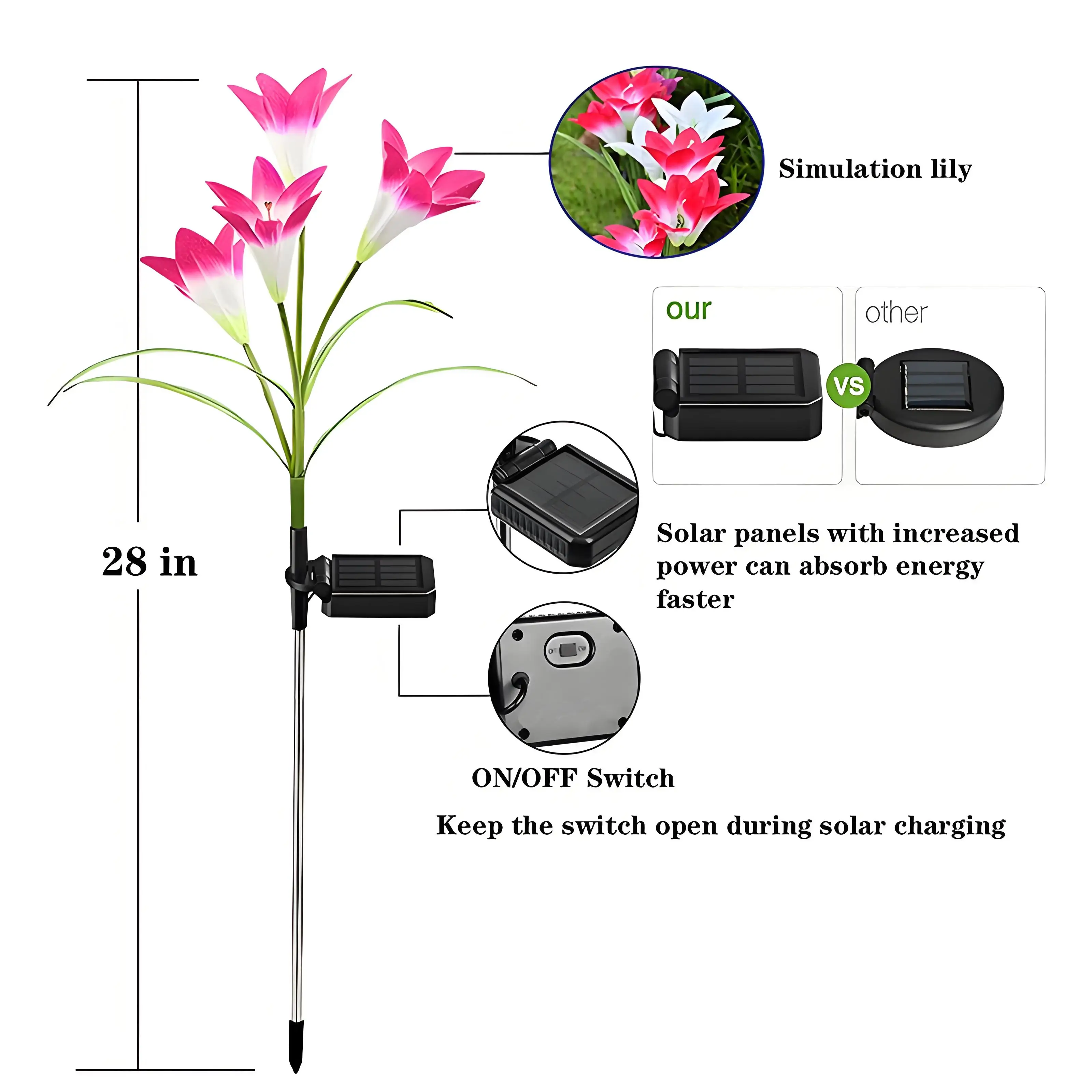
When considering the manufacturing of garden solar decoration lights, one important decision for businesses is whether to choose OEM (Original Equipment Manufacturer) or ODM (Original Design Manufacturer) services. The choice between OEM vs ODM for garden solar decoration light manufacturing significantly affects product design, cost, and delivery timelines. This article will explore the key considerations for buyers, comparing these two manufacturing models and offering practical insights that can aid purchasing managers, product managers, and engineers in making informed decisions.
What to Consider When Choosing OEM vs ODM for Solar Lights
When selecting between OEM and ODM for solar lights outdoor, several factors must be assessed. First, consider the level of customization required. If a business has a specific design in mind or needs to adhere to a particular branding strategy, ODM services may be more suitable as they typically offer complete design capabilities. Conversely, if a company prefers to develop a product based on existing designs and specifications, then OEM services can be more efficient.
Another critical consideration is production volume and lead time. OEM manufacturers, like Xiamen Yuandian Trade Co., Ltd., often focus on higher volume production with shorter lead times due to established designs. In contrast, ODM services may involve longer timelines for design and prototyping, which could delay market entry.
Additionally, ensure that the chosen manufacturer has relevant certifications such as CE, RoHS, and IP65, which are essential for compliance and ensuring product quality. Understanding your target market's requirements and aligning them with the capabilities of the manufacturer is crucial for a successful partnership.
Key Differences Between OEM and ODM Models
Understanding the fundamental differences between OEM and ODM models is essential for making an informed decision.
Design Ownership: OEM operates on a model where the buyer owns the design and the manufacturer produces it. In contrast, ODM provides a complete service where the manufacturer owns the design and can offer customization according to the buyer's specifications.
Cost Structure: OEM typically has lower initial costs since the designs are pre-existing. However, ODM might involve a higher upfront investment due to design and development costs but could yield greater long-term value through unique products.
Flexibility: OEM may be less flexible in terms of design changes once the production process is underway, as it focuses on manufacturing existing designs. ODM, on the other hand, allows for more adaptability in design adjustments during the development phase.
Market Responsiveness: With ODM, companies can quickly adapt to market trends due to the manufacturer’s design capabilities. OEM may require longer lead times to adapt, as changes often necessitate new molds or tools.
Understanding these differences can help in selecting the right manufacturing model based on your business needs and market strategy.
Exploring Cost Factors for OEM vs ODM Solar Garden Lighting
Cost considerations are crucial when evaluating OEM vs ODM for solar garden decorations. While OEM services may have lower initial costs due to the use of existing designs, the overall expenses can vary based on several factors:
Customization Requirements: Custom designs through ODM can lead to higher costs initially but can open new market segments and enhance brand value over time, potentially increasing profit margins.
Production Volume: For high-volume orders, OEM can be more cost-effective due to economies of scale. However, for smaller runs or unique designs, ODM may be more feasible despite the higher per-unit cost.
Material Selection: The choice of materials significantly impacts pricing. For instance, premium materials that ensure durability and aesthetic appeal can increase costs regardless of the manufacturing model chosen.
Lead Time Costs: Consider potential costs associated with longer lead times in ODM, such as lost sales opportunities or increased inventory holding costs.
Shipping and Packaging: Evaluate whether the manufacturer provides packaging design as part of their service. Xiamen Yuandian Trade Co., Ltd. offers free packaging design, which can be a significant cost-saving factor.
By analyzing these cost factors thoroughly, buyers can better align their budget with their product strategy, ensuring a sound investment.
OEM vs ODM Solar Decorative Lights
When it comes to solar decorative lights, the choice between OEM and ODM can affect not just the product’s design but also its market positioning.
Product Variety: ODM manufacturers often boast extensive catalogs, with thousands of existing designs and 60,000 SKUs, allowing businesses to quickly select and customize products to suit their needs. This is particularly advantageous for companies looking to offer a diverse range of solar decorative lights without the lead time of developing new products from scratch.
Quality Control: With OEM, the buyer can specify quality standards and oversee production processes based on their design. For ODM, the manufacturer typically has established quality control processes, ensuring that products meet industry standards. This can streamline the quality assurance process for buyers who may not have the capacity to manage it themselves.
Innovation Potential: ODM models can provide more innovative product development, as manufacturers often invest in R&D to create unique offerings. This can help businesses differentiate themselves in a competitive market.
Choosing between OEM and ODM may ultimately come down to whether you prioritize customization and innovation or cost and speed to market.
Installation Guidance for OEM vs ODM Solar Garden Decorations
When it comes to installation, both OEM and ODM solar garden decorations may have specific requirements that buyers should consider.
Installation Complexity: Generally, ODM products may include detailed installation guides or videos to facilitate easier setup. Buyers should inquire about these resources to help end-users with installation, enhancing customer satisfaction.
Installation Equipment: Ensure that the chosen manufacturer provides necessary installation tools or accessories, as these can vary between OEM and ODM products. For example, certain ODM products may come with specific mounting hardware to ensure optimal performance.
Compatibility: When choosing LED solar lights outdoor, compatibility with existing garden lighting systems should be assessed. OEM products can be tailored to fit specific systems, while ODM products may offer universal compatibility.
User Manual and Support: Confirm whether the manufacturer provides user manuals or technical support for installation. This can be especially important for complex systems or for customers who may require additional assistance.
Field Testing: Prior to mass production, buyers should request samples for field testing. Observing actual installation scenarios can reveal potential issues and ensure that the final product meets all specifications.
Understanding these installation considerations can help businesses ensure that their chosen solar garden lights are not only aesthetically appealing but also functional and easy for end-users to install.
By carefully weighing the differences between OEM and ODM manufacturing models, companies can make informed decisions that align with their product strategy, market demands, and operational capabilities.