EN
EN

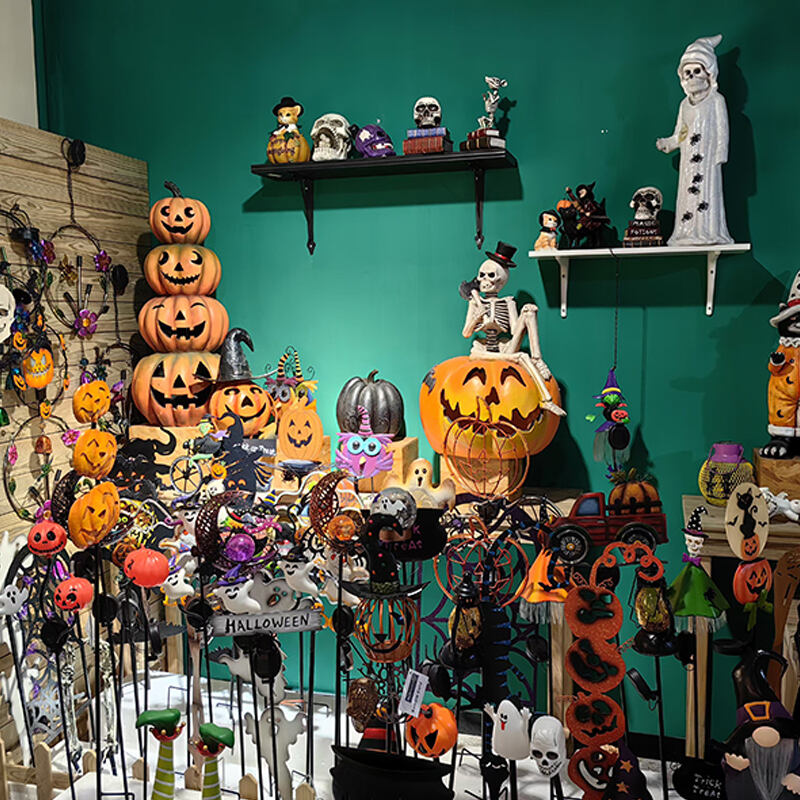
Batteríhönnun sem aðalástæða fyrir skipulagðri úreltun
Ókiptanleg börur í 78% innfærslu stigs sólarorkusokka Halloween-gegns
Aðalástæðan fyrir því að svo mörg ódýr sólarljós á Halloween hætta að virka eftir aðeins nokkur ár? Innbyggðu batteríin inni í þeim. Rannsóknir sýna að um 78% af þessum ökutækjaskartum hætta að virka vegna þess að batteríin eru ekki auðvelt að skipta út. Fólk kastar alveg góðum ljósunum þegar batteríið fer, og breytir því sem hefði geta verið lagfært í raforkuskell. Gerir ekki mikið mál, ef miðað er við að sólarplöturnar sjálfar standast venjulega í 20 ár eða lengur, en enginn getur komist í batteríin þegar þau eru fastlokuð inni. Fyrirtæki framleiða vörurnar svona vegna þess að það spara peninga í upphafi, jafnvel þó að það endi með því að fólk kaupi nýjar vörur snemma. Viltu forðast að verða dreginn yfir höfuð? Athugaðu hvort hægt sé að koma í bunkann áður en þú kaupir. Leitaðu að línum þar sem hægt er að opna búnaðinn, eins og nota venjuleg batterí eins og AA eða 18650 frumur frekar en einkaleyfislausnir.
LED-lífslengd á móti batteríbroti: Af hverju 50.000 klukkutímum LED er verið undir gengið af 2 ára lífslengd battería
Hávirkni LED í sólar Halloween-beljum eru metin fyrir allt að 50.000 klukkutíma – meira en fimm ár af kvöldum ársframlitum – en flest tæki misskjást innan 24 mánaða vegna slitar á batteríum. Þessi ósamræmi berast af þremur tenglum hönnunarlestrum:
- Lítíum-jónar batterí slita sér fljótt við breytileg hitamál sem einkennir utanaðkomandi hauststöðu
- Stutt útunartíðni gætu lengt líf Batteríanna upp að 300%, en flest ökutæki með lágum kostnaði hafa ekki virknar hleðslustýringar
- Óregluleg haustsól gerir hleðslu minna virka, sem hrækkar getu og eykur hitaspennu
Niðurstaðan er kerfisbundið spillti á 90% af virkni LED - endurkomur á öllum tækjum í stað $2–$5 batteríhlutar. Þetta er ekki tæknileg takmörkun; heldur er um veðmálakerfi að ræða sem fremst styðst við einnota en varanlegri búnað.
Hringlóðnar lausnir: Viðgerðarhæfi, lotukenni og styrking á stefnu
Lotukennslóðin sólarúrkerfi með skiptanlegum rafhlöðum og staðlaðum hlutum
Fleiri framleiðendur í dag eru að berjast gegn ásetinni úrelt niður með því að búa til móðulskennd sólarútsýningu. Þessar kerfi koma með víxilbatteríum, staðlaðum tenglum og sólarplötum sem virka saman. Þegar borin eru saman við þau lokaðu einingunum sem við allir vitum, leyfa þessi nýju hönnun mönnum að víxla út fyrir notaðar frumur án þess að skoppa gott efni eins og LED-ljós, búnað eða jafnvel sólarfrumur. Staðlaðir tenglar gerðu kleift að endurnýta hluta yfir ýmsar tímabil. Tækið batterí frá þeim Halloween-kúrku og settu það í íslenskan spökisátt í staðinn. Sólarplötur haldast margar ár og er hægt að nota á ýmsum vörum með tímanum. Slík móðulnálgun gerir vörum raunverulega hægt að halda lengur en venjulegu tveggja ára líftíma flestra vara. Það hjálpar til við að minnka raforkuskiptingar og gefur neytendum meira stjórn á kaupum sínum á langan leik.
Komandi kröfur Evrópska bandalagsins um hollustu á tímabundinni belysingu (2025) og áhrif í Bandaríkjunum
Regluframlagið er að breyta því hvernig við hugsum um ársbylgjuskráningar. Árið 2025 verður framkvæmdarstefnuskipulag Evrópusambandsins (Ecodesign Directive) í gildi með kröfum sem áhrifast alls frá ljósleiðum fyrir jólatré til þeirra litlu sólkerfa andvötnuðu ándanna sem fólk setur út fyrir Hallowe’en. Framleiðendur verða að framkalla þessi vörur með skiptanlegum blettum og tryggja að þær séu endurnotanlegar samkvæmt ákveðnum staðla. Aðalvandamálið hér? Flest ársbylgjuskráningar falla fljótt út vegna þess að blettarnir eru innsigluðir inni í þeim og ekki hægt að skipta þeim út þegar þeir standa upp. Alþjóðlegt rafmagnsrifi vex áfram í hræðilegum hraða, yfir 62 milljón metríska tonn á ári, svo þessi reglur tákna mikilvægt skref í átt til þess að gera vörurnar langlífari. Á hinum hliðinni á Íslandi, eða frekar í Bandaríkjunum, eru ríki eins og New York, Kalifornía og Minnesota að vinna fram með lög um rétt til að remba, sem krefja fyrirtækja um að hanna vörur sem raunverulega er hægt að taka sundur og remba. Jafnvel tímabundin skráningar fá ekki lengur frípass. Fyrir fyrirtæki sem vilja halda sér keppishæf, er að hanna með sjálfbærni í huga ekki lengur bara góðt sem gerir heimsálfuna betri – það er orðið nauðsynlegt ef þau vilja halda áfram að selja vörur sínar á lykilmarkaðum um allan heiminn.
Hvernig geta neytendur valið sólarorku Halloween-þyrningar sem standast ásetinn aldursham
Þegar kemur að breytingu á því sem framleiðendur framleiða hafa venjulegir kaupendur í rauninni nokkuð mikla völd í gegnum kaupvalmöguleika sína. Leitið að útiveitingalýsingum þar sem hægt er auðveldlega að fjarlægja og skipta út rafhlöðum, eins og sér um staðlaðar 18650 eða AA litíumrafafl, frekar en þær séu fastlokaðar í lokuðum búnaði. Athugið hvort vörur hafi að minnsta kosti IP65 einkunn til verndar gegn vatni, dulsi og öðrum umhverfisþáttum svo þær standist allar árstíðir. Sumir vörumerkja gefa opinberlega upp hversu lengi mismunandi hlutar ættu að halda áður en koma til skiptingar; LED- ljóspeysur halda venjulega um 50.000 klukkutímum á meðan sólarplötur eru oft í notkun langt yfir 20 ár. En hvað er komið að rafhlöðunum? Treystanleg fyrirtæki gefa einnig upp þessar upplýsingar og styðja staðhætt sín með viðurkenndum staðli frá hópum eins og Energy Star eða EPEAT. Og ekki gleyma má að spyrja um möguleika á viðgerð! Fyrirtæki sem er verðs að styðja búa venjulega viðgerðarhandbækur fyrir netinu, hafa varamateriale á lager eða hönnuðu vörur sem leyfa uppgraderingar með tímanum. Þessar raunhæfar eiginleikar sýna alvarlega afstaða til varðveisluhegðunar. Með hugsjónarúmskoðuð köp sem miða að varanlegri gildi hjálpa til við að mynda markaðsbeiðni eftir vörum sem eru gerðar fyrir langt notkun, hægt er að laga þegar brotnar og draga í felldu út waste í heimili og garði.
Algengar spurningar
Af hverju bila flestar öruggar sólarjólabirgðir innan 2 ára?
Flestar öruggar sólarjólabirgðir bila innan 2 ára vegna óskiptanlegra battería sem deyja áður en tíminn kemur, oft vegna fljótra niðurfölls við há- eða lághita og vanda um vantarflutninga kerfi.
Hvað geta neytendur gert til að forðast ásetinn endalok í sólardekor?
Neytendur geta forðast ásetinn endalok með því að velja sólardekor með skiptanlegum batteríum, staðlaðum hlutum og með minnst IP65 einkunn. Að ráðfæra sig við leiðbeiningar framleiðenda varðandi notkunarlengd og möguleika á viðgerð getur einnig hjálpað til við að gera sjálfbærar valkostir.
Hvort er búist við breytingum í umhverfishönnunarkerfi Evrópusambandsins fyrir 2025?
Fyrir 2025 munu reglur umhverfishönnunarkerfis Evrópusambandsins krefjast þess að tímabundin ljóssett hluti séu hönnuðir með skiptanlegum batteríum og fullnægjandi endurnýjanleika til að minnka raflagniðfall, og styðja langvarandi notkun vara.
Hvernig nýta umhverfinu af mögulegum sólardekorshlutmálakerfum?
Modulakerfi fyrir sólkerfisdekor senda leyfa skipti á hlutum, sem minnkar rafmagnsaffall og lengir líftíma dekorsins. Með þessum nálgun geta neytendur endurnýtt hluti og á þann hátt áhrifamikillega styðja umhverfisvenjuleika.